
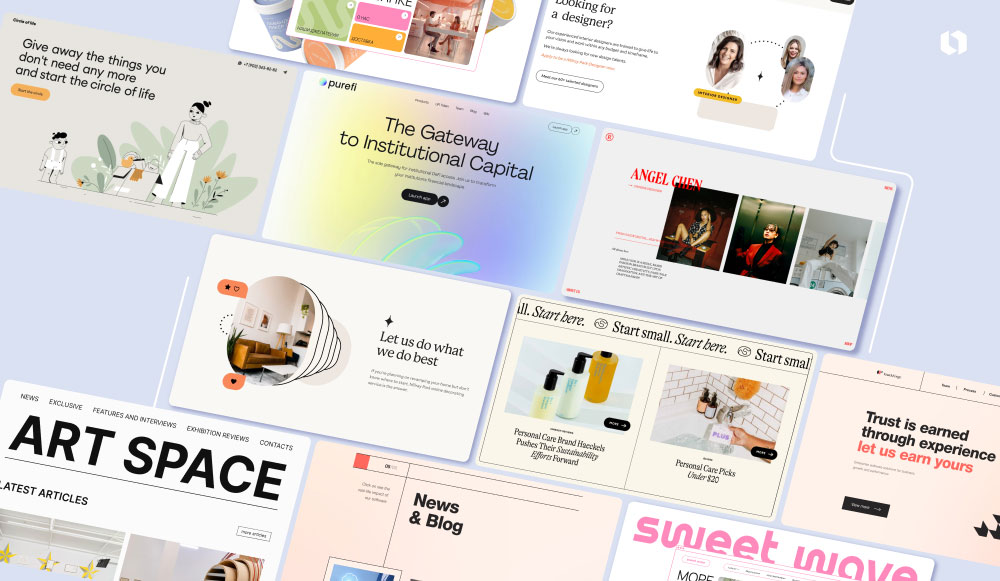
As we enter 2026, web design is evolving faster than ever, blending cutting-edge technology with a renewed focus on human-centered experiences. AI integration, immersive interactions, and sustainable practices are reshaping how we build and interact with websites.
Gone are the days of rigid grids and sterile minimalism—today's trends emphasize personality, performance, and personalization while prioritizing accessibility and speed.
This ultimate guide explores the top modern web design trends dominating 2026, with practical insights to inspire your next project.
1. Organic and Fluid Layouts
Strict grids are giving way to softer, more natural designs. Organic shapes, flowing curves, and anti-grid layouts create a human, approachable feel.
This trend counters digital fatigue by mimicking nature, improving emotional connection and user flow.
2. Dark Mode Dominance
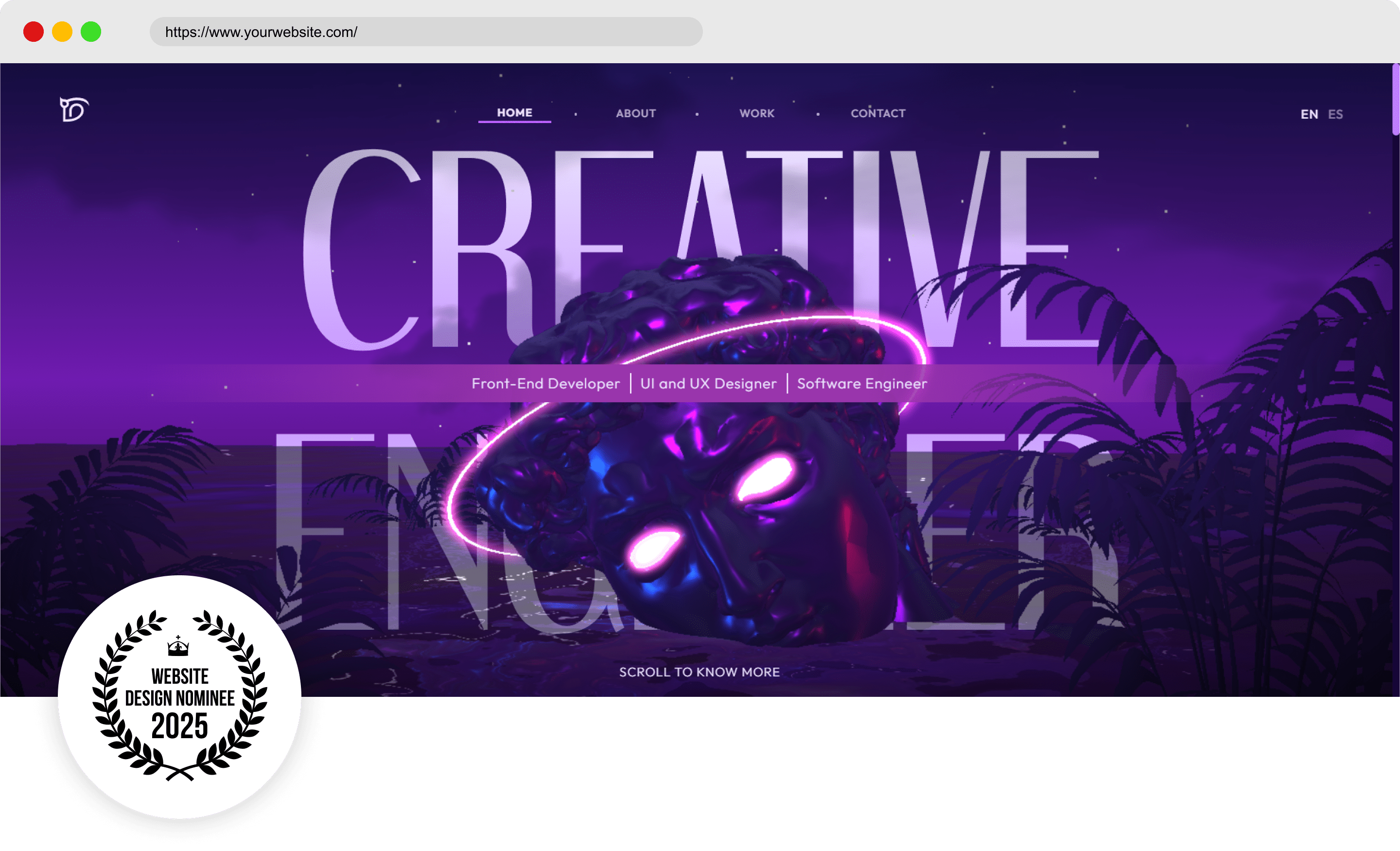
Dark interfaces reduce eye strain and save battery life on mobile devices. In 2026, expect sophisticated dark themes with neon accents or subtle gradients for a futuristic vibe.
Pair with high-contrast elements for accessibility.

3. 3D Elements and Immersive Visuals
3D illustrations, models, and interactive objects add depth and engagement. Powered by WebGL and lighter libraries, these elements load faster without sacrificing impact. Use sparingly for hero sections or product showcases.
4. Micro-Interactions and Subtle Animations
Delightful micro-interactions—like hover effects, loading animations, or button feedback—enhance usability and guide users intuitively.
In 2026, focus on meaningful, performance-friendly animations that feel natural.
5. Glassmorphism and Layered Effects
Frosted glass-like transparency with blur and vibrancy creates depth and hierarchy. Combined with neomorphism's soft shadows, it delivers a premium, tactile feel.
Layer over vibrant backgrounds for modern sophistication.

6. Bold Typography as a Focal Point
Massive, expressive fonts dominate headlines and hero text. Variable fonts allow dynamic scaling while keeping files lightweight.
Pair with ample white space for dramatic impact.

7. AI-Powered Personalization
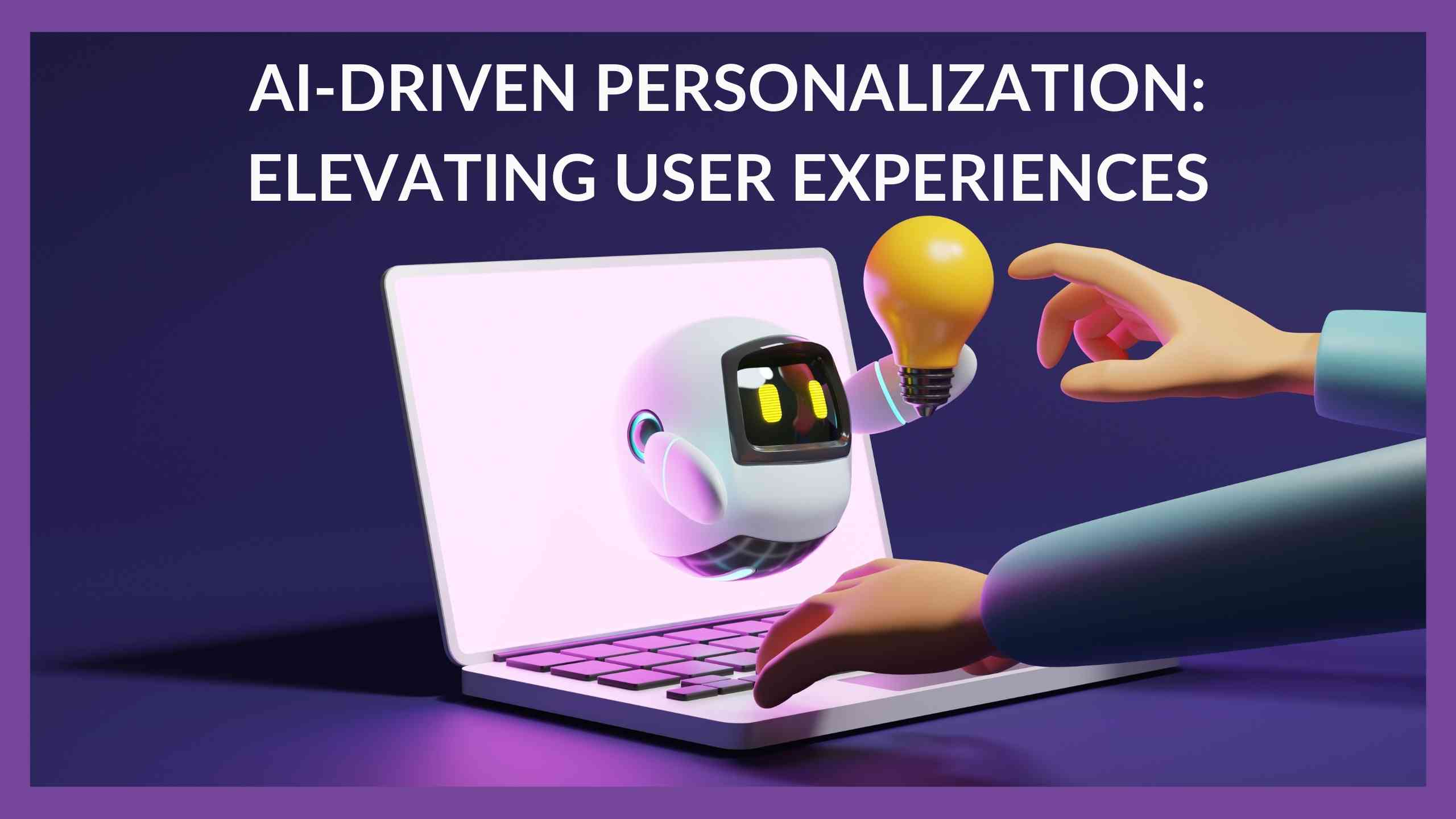
Websites now adapt in real-time—custom layouts, content, or recommendations based on user behavior.
This trend boosts engagement but requires ethical data handling and privacy focus.
8. Immersive Scrolling and Parallax
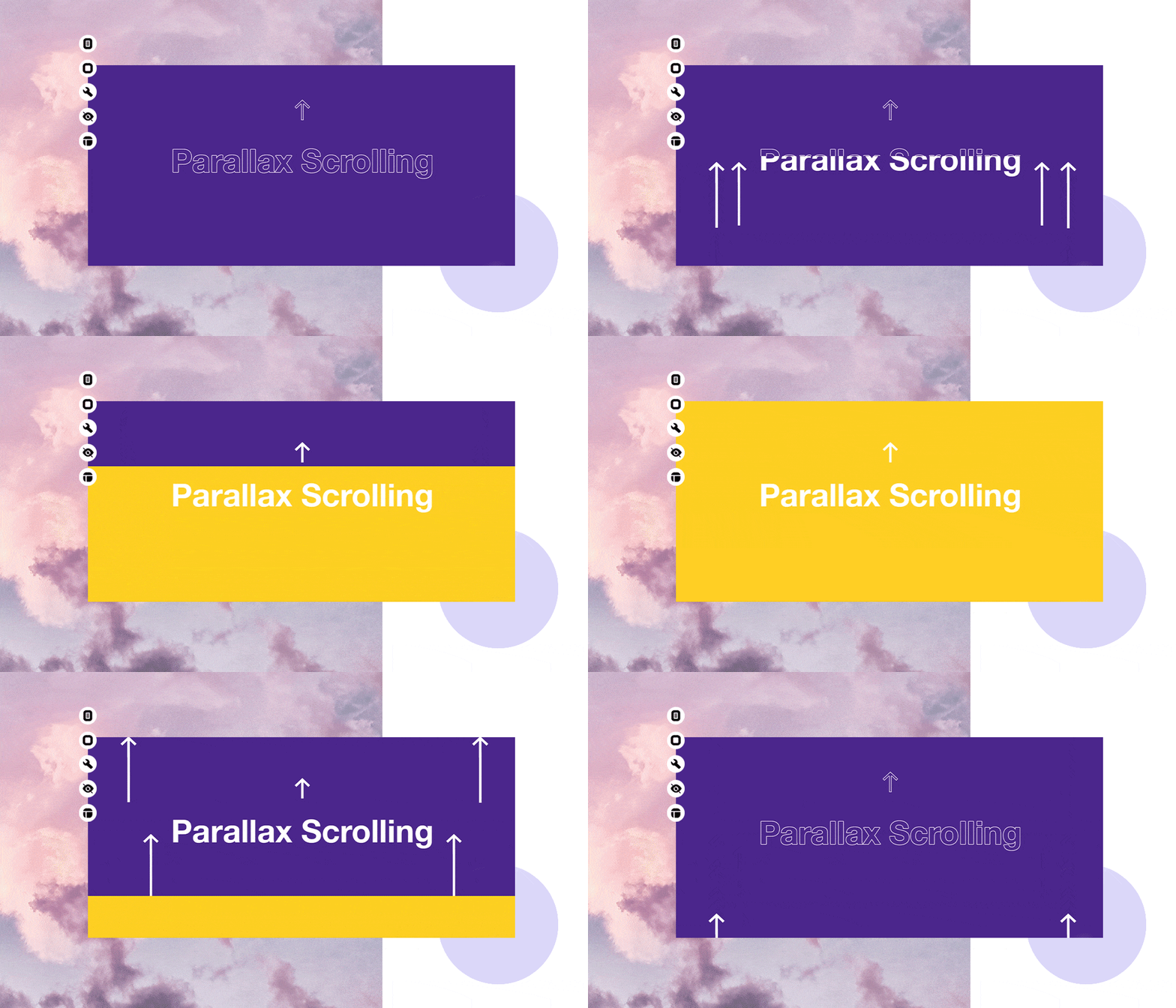
Advanced parallax, horizontal scrolling, and story-driven experiences turn pages into journeys.
Optimized for performance, these create cinematic feels without frustrating load times.
9. Performance-First and Sustainable Design
Lightweight code, optimized images, and eco-friendly hosting reduce carbon footprints. Core Web Vitals remain critical for SEO and UX.
Trends favor simplicity that loads instantly on any device.
10. Accessibility and Inclusivity by Default
Beyond compliance, designs incorporate color-blind modes, voice navigation, and inclusive imagery from the start.
In 2026, accessibility drives innovation and broader reach.
Final Thoughts
Modern web design in 2026 balances bold creativity with thoughtful functionality. Embrace trends that enhance user experience, leverage AI responsibly, and prioritize speed and inclusivity.
The best sites won't just look stunning - they'll feel intuitive, personal, and sustainable.