
In today's digital landscape, social media isn't just an option for small businesses—it's a necessity. With over 5 billion users worldwide, platforms like Instagram, TikTok, and Facebook offer unparalleled opportunities to reach customers, build brand loyalty, and drive sales without massive budgets.
As we approach 2026, trends like short-form video, AI-assisted content, authentic storytelling, and community-building are dominating. Small businesses that adapt strategically can compete with bigger brands effectively.
This guide breaks down proven strategies to help you master social media marketing, even with limited time and resources.
1. Define Clear Goals and Know Your Audience
Start with SMART goals: Specific, Measurable, Attainable, Relevant, Time-bound. Whether it's increasing brand awareness, driving website traffic, or boosting sales, align your efforts accordingly.
Research your target audience—age, interests, pain points, and preferred platforms. Tools like platform insights or free surveys can help. Focusing on the right people yields better engagement than chasing vanity metrics.
2. Choose the Right Platforms
Not all platforms are equal for every business. Prioritize based on where your audience hangs out:
- Facebook: Ideal for broad reach, local targeting, and community building.
- Instagram: Visual-heavy; perfect for lifestyle brands, shops, and Reels.
- TikTok: Short-form video powerhouse for younger audiences and viral potential.
- LinkedIn: B2B-focused for professional networking and thought leadership.
- YouTube: Long- and short-form videos for tutorials and deeper engagement.
Start with 1-2 platforms to avoid burnout.
3. Create Consistent, Valuable Content
Consistency beats perfection. Post regularly—aim for 3-5 times per week.
Mix content types: 80% educational/entertaining, 20% promotional. Focus on value: tips, behind-the-scenes, customer stories.
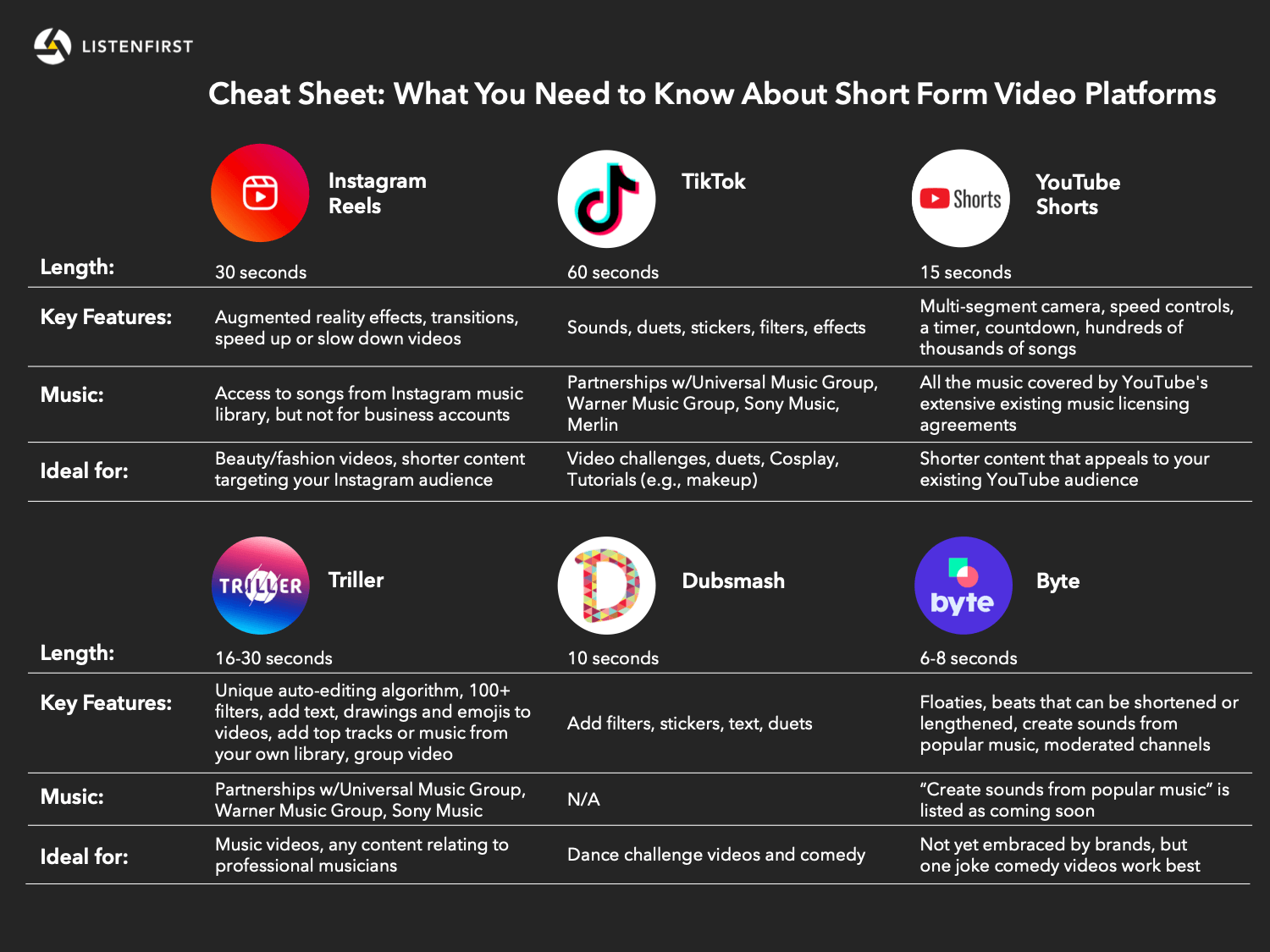
In 2026, short-form video (Reels, TikTok, Shorts) dominates engagement. Keep videos 15-30 seconds, trendy, and authentic.
4. Leverage User-Generated Content (UGC)
Encourage customers to share photos, reviews, or testimonials. Repost with credit—it builds trust and provides free content.
UGC feels authentic and boosts credibility. Run contests or hashtags to spark participation.

5. Engage Actively with Your Community
Social media is a two-way street. Respond to comments, messages, and mentions promptly.
Ask questions, run polls, and join conversations. Building relationships turns followers into loyal customers.
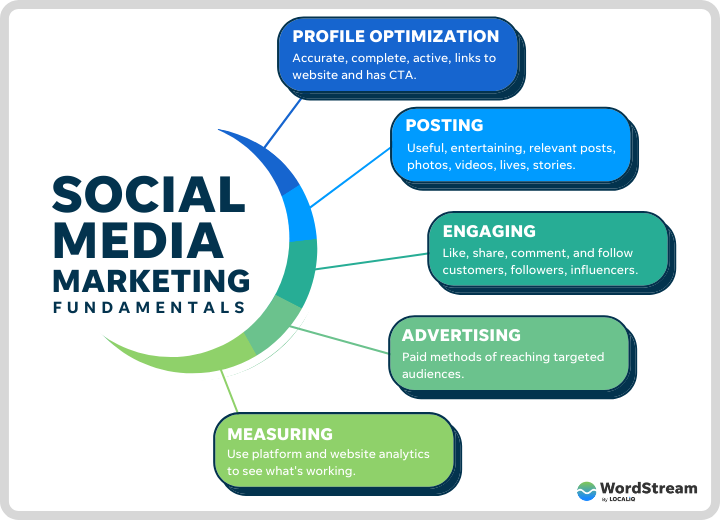
6. Use Analytics to Measure and Optimize
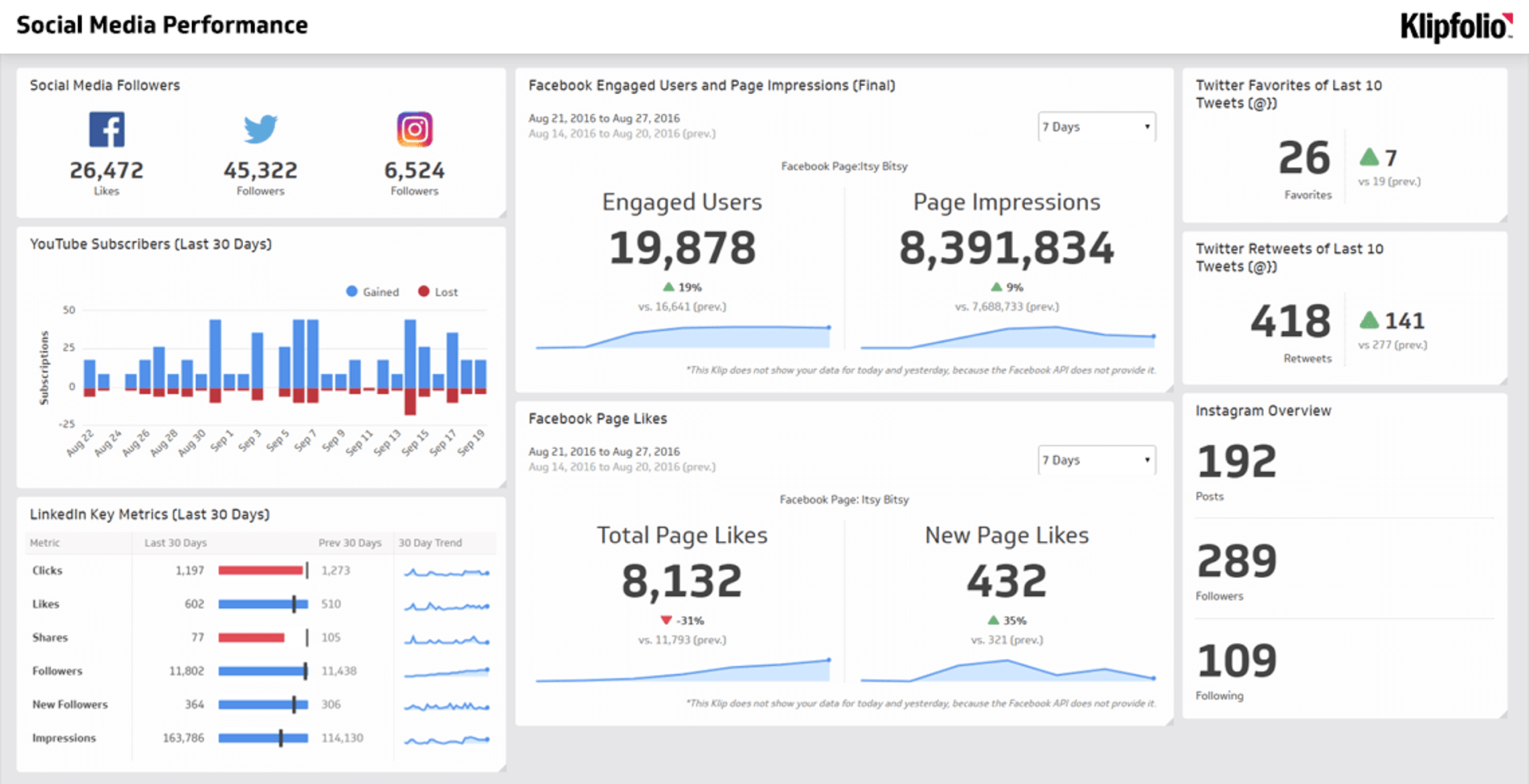
Track performance with built-in tools (e.g., Instagram Insights, Facebook Analytics).
Key metrics: Reach, engagement rate, clicks, conversions. Adjust based on what works—double down on high-performing content.
7. Incorporate Paid Advertising Strategically
Organic reach is limited, so supplement with targeted ads. Start small—$5-10/day on Facebook/Instagram ads can yield results.
Use lookalike audiences and retargeting for efficiency.
8. Embrace AI Tools Wisely
AI can help with caption ideas, scheduling, and even content creation—but keep it human. Review everything for authenticity, as audiences crave genuine connections.
9. Build Partnerships and Collaborations
Team up with micro-influencers or complementary local businesses for cross-promotions. It's cost-effective and expands reach.
10. Stay Adaptable and Trend-Aware
Social media evolves fast. Follow industry updates, experiment with new features, and prioritize fun, relatable content over polished perfection.
Final Thoughts
Mastering social media for your small business takes time, but consistency and authenticity pay off. Focus on providing value, engaging genuinely, and using data to guide decisions. In 2026, brands that prioritize community and creativity will thrive.